Tiered Pricing: A strategic approach to value-based pricing
Build pricing tiers that follow the market, not the spreadsheet.

Summarize article with AI


Updated November 2025
Pricing tiers are everywhere. From SaaS subscriptions and streaming services, to airlines and packaging. They promise fairness, flexibility, and reach. At their best, tiers turn one product into several versions of value.
But most are built the wrong way around. Companies define features and margins first, then assign prices that “make sense.” The assumption is that customers will neatly distribute themselves across those boxes. They don’t. Demand has its own structure. Its own natural points where willingness to pay holds steady, then drops sharply.
Modern demand data makes those layers visible. Once you can see how interest changes across price points, tiers stop being a guess and start reflecting how the market actually organizes itself. An approach long emphasized by Simon-Kucher in their work on revenue maximization.
Tiered pricing should be designed from the outside in, grounded in how real demand clusters around price thresholds, not internal assumptions about value.
What tiered pricing aims to achieve
The goal of tiered pricing is simple: capture more of the market without leaving money on the table. Instead of fixing a single price, companies offer levels that reflect varying degrees of value, access, or performance.
At its best, a tiered structure balances reach and revenue, optimizing both revenue potential and customer value perception. The entry tier brings in new users, the middle tier anchors perception, and the top tier captures the upper bound of willingness to pay, often driving disproportionate margin contribution (Phoenix Strategy Group).
But for this to work, the steps between tiers must feel natural. Too small and customers trade down; too large and they drop out. The key is finding where real shifts in value perception occur. Where demand stays stable before falling sharply. These are the natural boundaries of a market.
Common models of tiered pricing
Tiered pricing takes many forms, but the structure only works when it aligns with real demand.
- Feature-based tiers: Each higher tier adds capabilities or functionality — the classic Good–Better–Best model.
- Usage or volume-based tiers: Pricing scales with consumption, such as per-user or per-GB. It lowers entry barriers while rewarding usage.
- Access-based tiers: Different levels of service, support, or delivery speed.
- Dynamic or time-based tiers: Thresholds shift over time with seasonality or capacity constraints.
Each can succeed when grounded in measurable demand differences. Without that, the structure becomes arbitrary.
The problem: tiers are often drawn from the inside out
Most companies still build pricing from the inside out, deciding features, margins, and competitor references before testing how the market actually behaves. The result is predictable: overlapping tiers, demand gaps, and misplaced differentiation.
This happens because the design process lacks signal. The company draws the map without looking at the terrain. Real demand almost never behaves evenly; it plateaus, drops and spikes. These curves reveal not how the business wants customers to act, but how they truly decide.
And that’s where data changes everything.
Seeing the market’s own structure
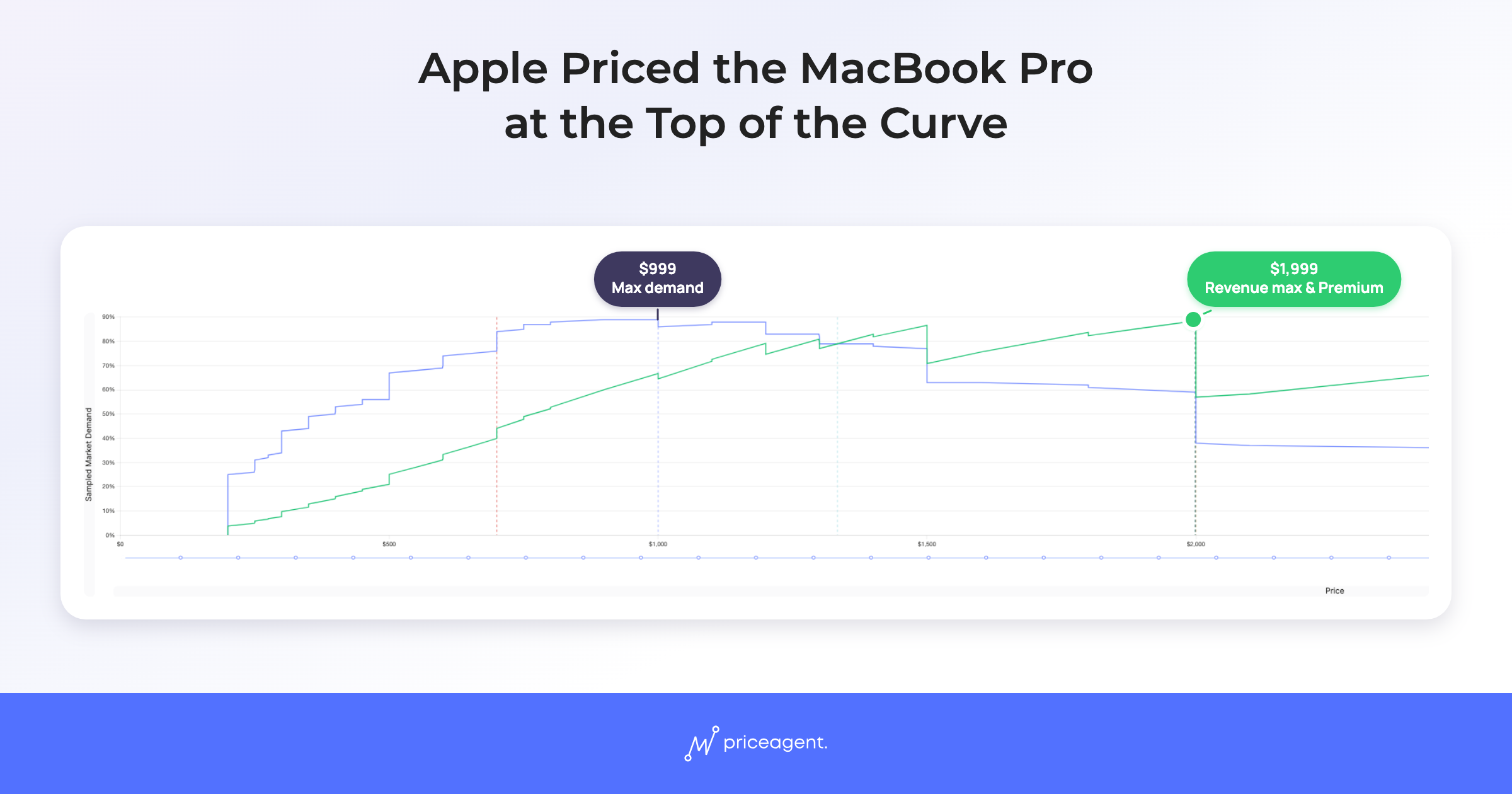
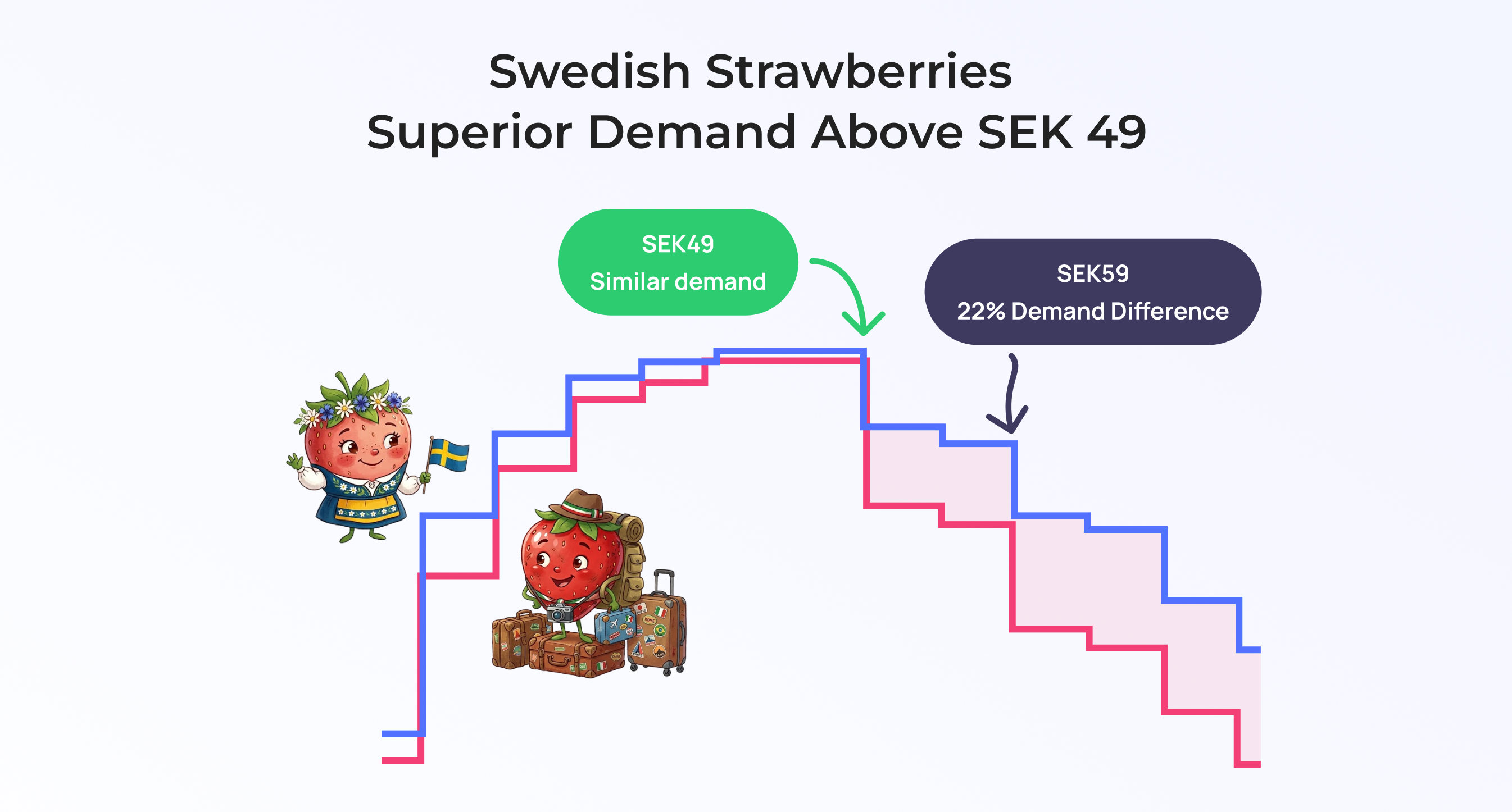
Measure demand across a full price range and a pattern emerges. The curve doesn’t fall smoothly, it forms stable zones and sharp break points. These are where tiers naturally appear. Instead of arbitrary steps, the market shows its own internal logic, clusters of willingness to pay separated by clear thresholds.
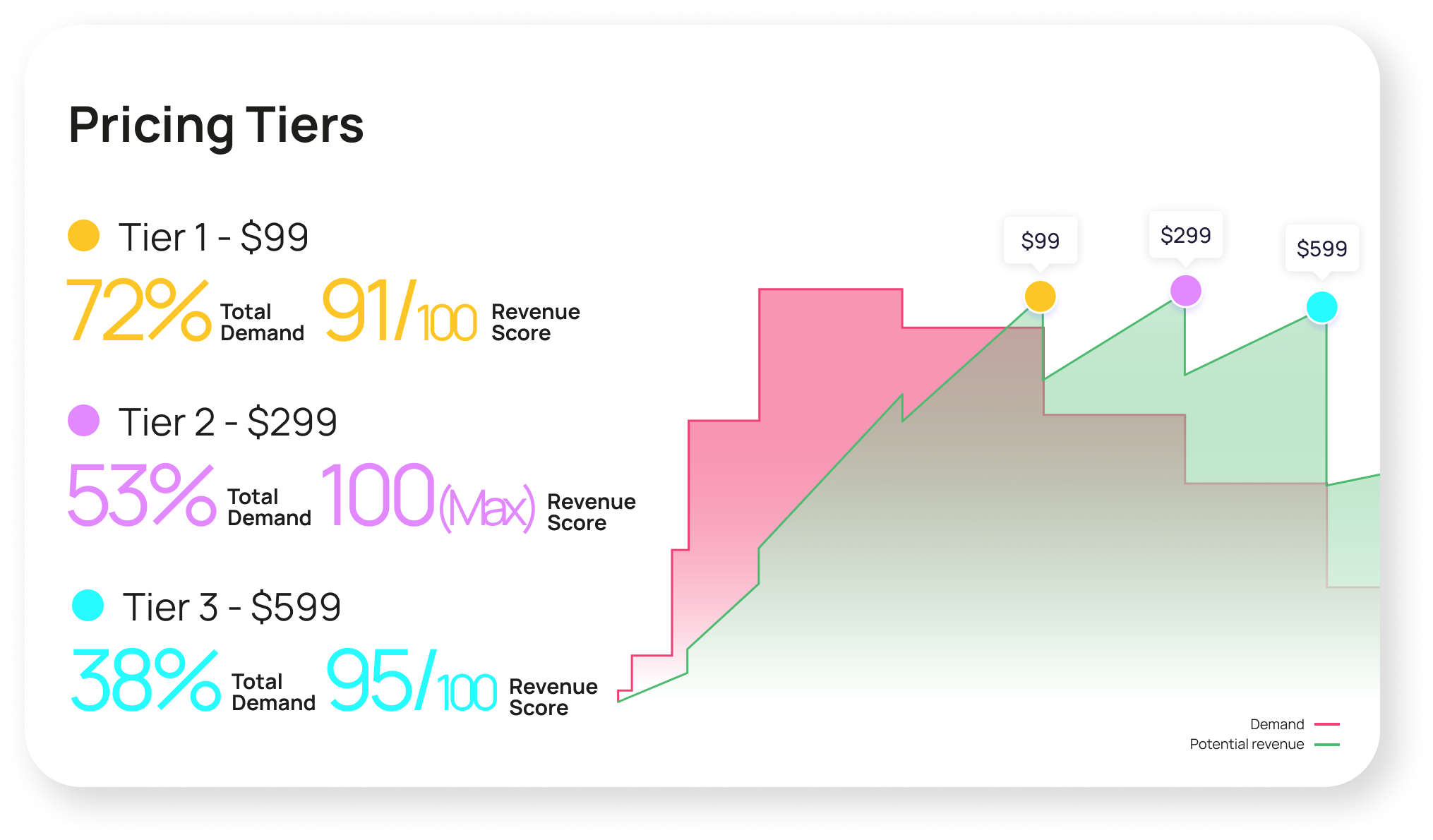
Visualizing this data changes how pricing decisions are made. You can see:
- Stable zones. Price ranges where demand stays steady. Your room to move without losing momentum.
- Break points. Thresholds where demand drops sharply. The edges of what the market considers reasonable.
- Profit drivers. Prices that maximize both demand and revenue. Your clearest view of value alignment.
Each of these features defines potential tier boundaries and shows how wide each can be without cannibalization. Tiers are discovered, not designed.
From static design to adaptive pricing
Most pricing models are treated as permanent. Once plans are published, they sit unchanged for years. But markets evolve. A structure that once fit demand can drift quietly out of sync.
Tracking willingness to pay over time shows how those boundaries shift. Stable zones can expand or collapse. Break points can move. A feature that once justified a premium might become standard.
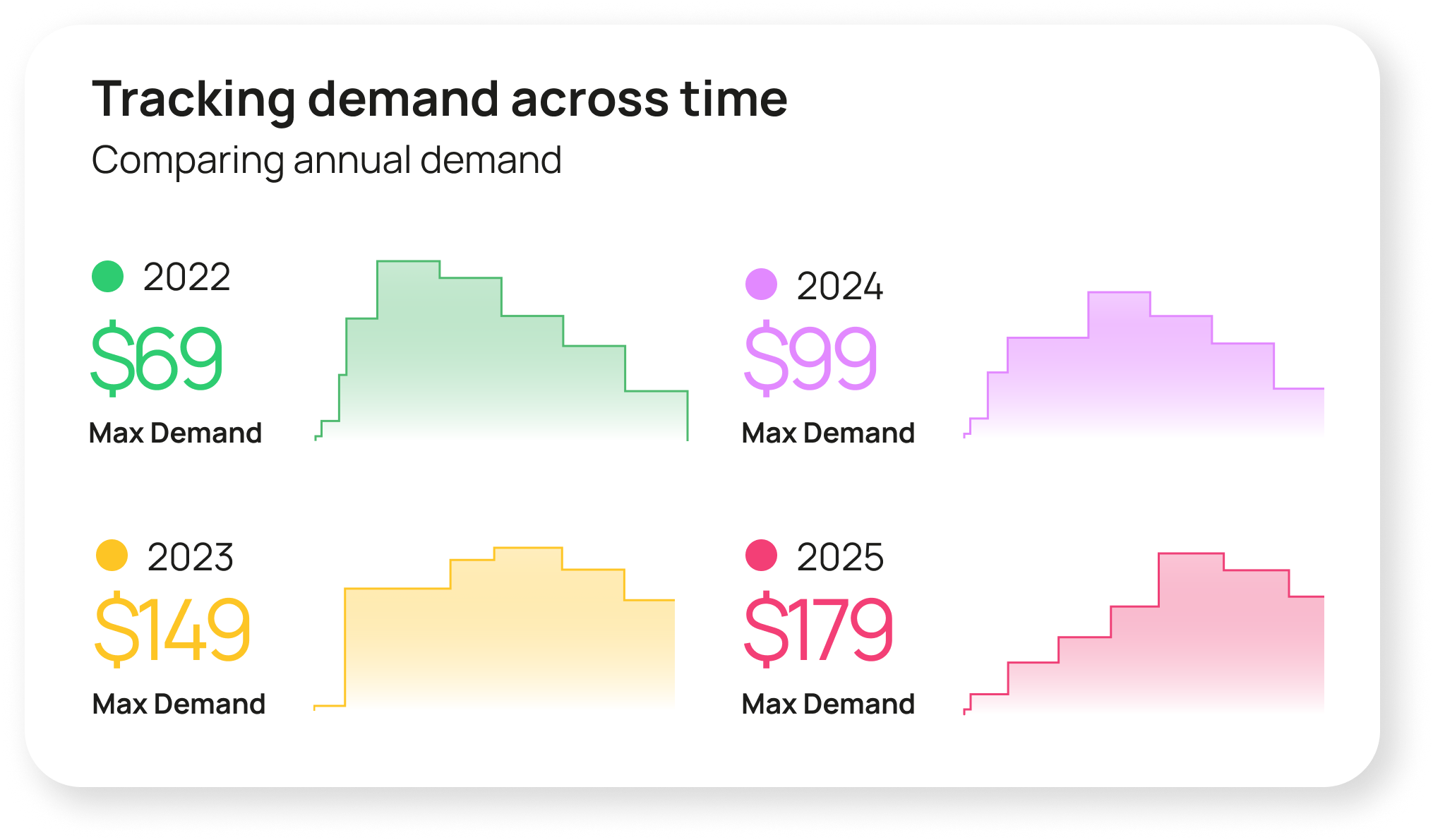
An adaptive approach treats pricing as continuous calibration. Measure demand, observe shifts, and adjust tiers accordingly, before misalignment becomes visible in lost conversions or shrinking revenue.
Designing tiers that reflect reality
Building effective tiers starts with identifying where customers see real differences in value, not where the business wishes they did.
A simple, data-led process:
- Locate natural thresholds. Identify where willingness to pay drops sharply. Where one segment ends and another begins.
- Define what changes between tiers. Clarify what justifies the next step. Scope, speed, access, or status.
- Validate and revisit. Test, observe, recalibrate. Pricing is a feedback loop, not a fixed plan.
Keep the number of tiers manageable. Beyond three or four, customers hesitate rather than decide, a finding supported by Harvard Business School.
When tiers are structured this way, they tell a clear story of value: each step feels justified to customers and defensible to the business.
Conclusion: Building tiers that follow the market, not the spreadsheet
Tiered pricing works when it reflects how customers truly see value. The best structures mirror how demand clusters, not how spreadsheets are organized.
Research shows that companies grounding tiers in real customer data capture more of the market and sustain higher revenue over time. The most effective models are discovered, not invented and they evolve as markets evolve.
So, before your next pricing review, take a step back from the feature table. Look at the demand curve itself. The market is already telling you where the tiers should be.
---
When you can see how demand truly behaves, pricing stops feeling uncertain.
Priceagent helps you find the stable zones and break points in your own market, so you can price confidently.